
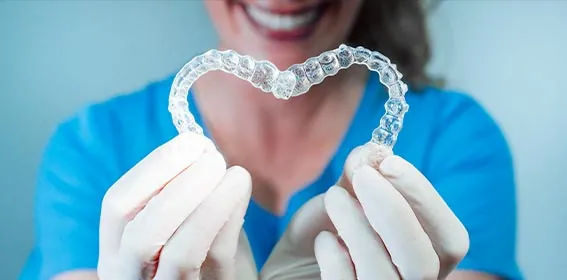
Getting braces is an exciting step toward achieving a straighter, healthier smile. However, braces do require extra care when it comes to oral hygiene. Because brackets and wires create additional spaces where food and plaque can collect, cleaning your teeth properly is more important than ever during orthodontic treatment.
At iSmile Orthodontics, we help patients understand how to care for their braces so they can protect their teeth and gums while working toward their new smile.
How Braces Change Your Oral Hygiene Routine
Without braces, brushing and flossing are typically straightforward. Braces add additional surfaces where bacteria and food particles can become trapped, increasing the risk of cavities, staining, and gum irritation if not cleaned thoroughly.
With braces, patients usually need to spend extra time brushing and flossing to ensure all areas around brackets and wires are properly cleaned.
Daily Brushing Tips for Braces
Brushing after every meal is highly recommended when wearing braces. Food can easily become trapped around brackets, and removing it quickly helps prevent plaque buildup.
When brushing with braces, patients should:
- Use a soft-bristled toothbrush or an orthodontic toothbrush
- Brush at a 45-degree angle to clean around brackets and gums
- Brush the front, back, and chewing surfaces of each tooth
- Spend extra time cleaning around wires and brackets
Electric toothbrushes can also be helpful, as they often provide thorough cleaning with less effort.
Flossing With Braces
Flossing can feel more challenging with braces, but it is essential for preventing gum disease and cavities between teeth. Special tools like floss threaders or orthodontic floss picks can help guide floss underneath wires and between teeth more easily.
Taking time to floss daily helps remove plaque from areas that brushing alone cannot reach.
Helpful Cleaning Tools to Consider
Many orthodontic patients benefit from using additional cleaning aids, such as:
- Interdental brushes to clean between brackets
- Water flossers to help rinse away debris
- Fluoride mouth rinses to strengthen enamel
These tools can make maintaining oral hygiene with braces more manageable and effective.
Foods to Avoid to Make Cleaning Easier
Certain foods can become stuck in braces or even damage brackets and wires. Avoiding these foods not only protects your braces but also reduces the amount of cleaning needed.
Foods to limit or avoid with traditional braces include:
- Sticky candies and gum
- Hard foods like ice, popcorn kernels, and hard nuts
- Chewy foods such as caramel or taffy
- Crunchy foods that can break brackets
Cutting foods into smaller pieces and chewing carefully can also help prevent damage and buildup.
Regular Orthodontic and Dental Visits Matter
Routine orthodontic appointments allow your orthodontist to monitor progress and make adjustments as needed. Continuing regular dental cleanings during orthodontic treatment is equally important, as professional cleanings help remove plaque and tartar that may be difficult to reach at home.
Building Healthy Habits for Long-Term Success
Learning how to properly clean braces not only protects your teeth during treatment but also helps build strong oral hygiene habits that last long after braces are removed.
At iSmile Orthodontics, we are committed to helping patients achieve beautiful, healthy smiles. If you have questions about caring for braces or are considering orthodontic treatment, our team is always here to help guide you through every step of the process.


