
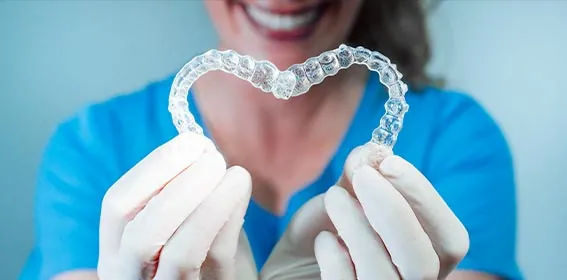
Starting braces or Invisalign® is an exciting step toward a healthier, straighter smile. But moving your teeth is only part of successful orthodontic treatment.
Keeping your teeth and gums healthy during treatment is just as important.
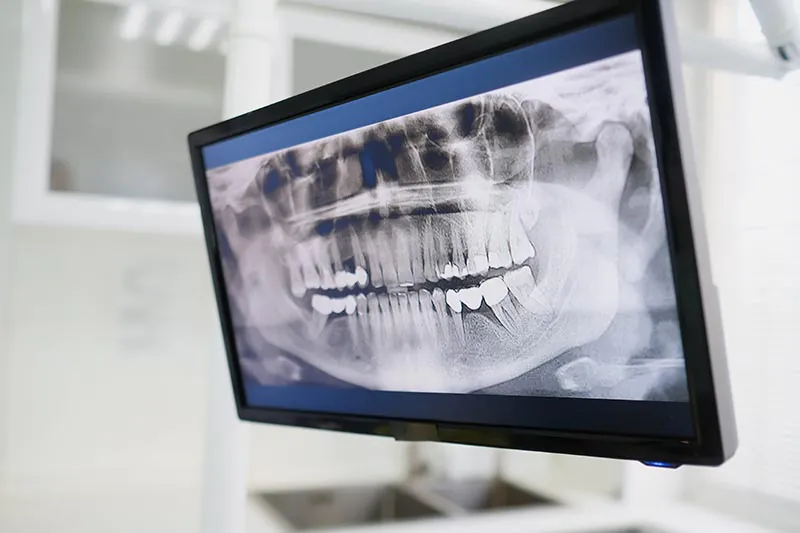 Braces can create additional areas where food and plaque collect, while Invisalign aligners can trap plaque, food residue, and acidic or sugary liquids against the teeth if they are not cleaned properly.
The good news? With the right habits, cavities during orthodontic treatment are largely preventable.
Can Braces Cause Cavities?
Braces themselves do not cause cavities.
Cavities develop when bacteria in dental plaque metabolize carbohydrates and produce acids that contribute to mineral loss from the tooth surface. If plaque remains around brackets or along the gumline for extended periods, the risk of tooth decay and visible white-spot lesions can increase.
Brackets and wires simply make certain areas more difficult to clean.
This is why brushing technique becomes especially important during braces treatment.
How Should You Brush With Braces?
Brushing around braces requires more attention than brushing teeth without orthodontic appliances.
Instead of simply brushing across the front of your brackets, make sure you clean:
- Above the brackets, angling the toothbrush toward the gumline.
- Below the brackets, angling the toothbrush upward toward the brackets.
- Around each bracket and wire, where plaque can accumulate.
- The chewing and inside surfaces of every tooth.
- Between the teeth, using floss or another interdental cleaning method recommended by your dental team.
An electric toothbrush can be helpful, but technique and consistency matter more than simply owning a particular toothbrush.
Pay particular attention to the gumline and the edges around each bracket. These are common areas for plaque accumulation.
Can You Get Cavities With Invisalign?
Yes, it is still possible.
Invisalign aligners are removable, which makes brushing and flossing considerably easier than with traditional braces. However, aligners introduce a different challenge.
Anything remaining on your teeth can become trapped underneath your aligners.
For example, drinking a sugary or acidic beverage and immediately replacing your aligners without cleaning your teeth may increase the amount of time your teeth are exposed to an unfavorable oral environment.
Our general recommendation is simple: remove your aligners for meals and beverages other than water, and clean your teeth before putting the aligners back in whenever practical.
Follow the specific instructions we give you, particularly because adequate daily aligner wear is also essential for successful Invisalign treatment.
Your Aligners Need to Be Clean, Too
Cleaning your teeth but repeatedly placing dirty aligners over them defeats part of the purpose.
Clear aligners and retainers can accumulate plaque, debris, and buildup. They should therefore be cleaned regularly according to your orthodontist’s recommendations.
We recommend using an ultrasonic cleaner as part of their aligner-cleaning routine.
Ultrasonic cleaners use high-frequency vibrations in a liquid bath to help loosen debris from small and difficult-to-reach areas of an appliance. This can be a convenient adjunct for keeping Invisalign aligners and retainers clean.
However, an ultrasonic cleaner should be viewed as part of an oral-hygiene routine—not a replacement for brushing and flossing your teeth.
Don’t Skip Your Regular Dentist Appointments
One of the most important things to remember during orthodontic treatment is:
Your orthodontist does not replace your general dentist.
Even though you may be visiting your orthodontist regularly, you should continue seeing your dentist for routine examinations and professional cleanings at the interval your dentist recommends.
We are focused primarily on moving your teeth and managing your bite. Your dentist monitors your teeth, gums, restorations, and overall oral health.
The two offices work together.
For some patients—particularly those who accumulate plaque or have difficulty maintaining oral hygiene—more frequent professional cleanings may be recommended during orthodontic treatment.
What Are White Spots Around Braces?
One concern we watch for during braces treatment is the development of white-spot lesions.
These chalky areas can represent early mineral loss from enamel associated with prolonged plaque accumulation. They may become particularly noticeable after braces are removed because the enamel underneath the bracket was protected while the surrounding enamel was not adequately cleaned.
Prevention is much easier than trying to address these areas after treatment.
That is another reason we emphasize excellent brushing, appropriate fluoride exposure, healthy dietary habits, and regular dental visits throughout orthodontic treatment.
A Straight Smile Should Also Be a Healthy Smile
Whether you choose braces or Invisalign, the fundamentals remain the same:
Brush thoroughly. Floss consistently. Keep your orthodontic appliances clean. Limit frequent exposure to sugary and acidic foods and drinks. And continue seeing your general dentist.
At iSmile Orthodontics in San Ramon, our goal is not simply to create straight teeth. We want our patients to finish orthodontic treatment with a smile that is beautiful, functional, and healthy.
Frequently Asked Questions
Do braces cause cavities?
No. Braces themselves do not cause cavities, but brackets and wires can make plaque more difficult to remove. Poor plaque control can increase the risk of cavities and white-spot lesions.
Should I still see my dentist while I have braces or Invisalign?
Yes. Regular dental examinations and professional cleanings remain important throughout orthodontic treatment.
Should I brush after eating with Invisalign?
Ideally, clean your teeth before replacing your aligners after meals. Follow your orthodontist’s instructions so you can balance excellent oral hygiene with adequate daily aligner wear.
Can I use an ultrasonic cleaner for Invisalign?
An ultrasonic cleaner can be a useful adjunct for cleaning compatible clear aligners and retainers. Follow the appliance and cleaner manufacturer’s instructions, and remember that cleaning your aligners does not replace brushing and flossing your teeth.
How do I prevent white spots with braces?
Meticulous plaque removal around brackets and the gumline, appropriate fluoride use, limiting frequent sugary or acidic exposures, and regular dental care can help reduce the risk.
Looking for braces or Invisalign in San Ramon?
iSmile Orthodontics provides orthodontic care for children, teens, and adults in San Ramon and throughout the Tri-Valley, with an emphasis on creating smiles that look great and stay healthy.


Leave a Reply