
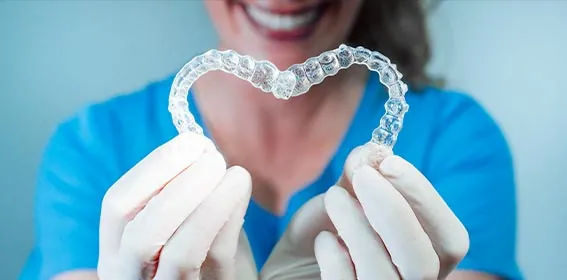
When most people think about orthodontics, they think about straight teeth. While alignment is certainly an important part of treatment, great orthodontic care goes beyond simply making teeth look straight.
The goal is to create a smile that looks great, functions properly, and supports long-term dental health. Achieving that goal often requires collaboration between your orthodontist and general dentist—and, in some cases, other dental specialists.
Your Dentist and Orthodontist Have Different—but Complementary—Roles
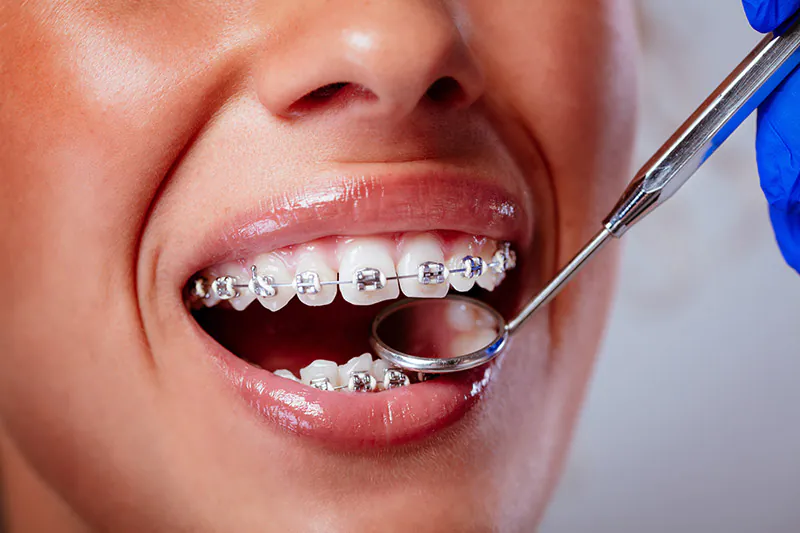 Your general dentist is your primary partner for maintaining healthy teeth and gums. Regular examinations, cleanings, cavity prevention, and monitoring of your overall oral health remain important before, during, and after orthodontic treatment.
An orthodontist focuses specifically on the position of the teeth, bite, jaws, and overall smile. Through braces, Invisalign® clear aligners, and other orthodontic treatments, we can improve how the teeth fit together while creating better balance and esthetics.
When these two areas of dentistry work together, we can plan around both health and alignment, rather than looking at either one in isolation.
Why Collaboration Matters
Imagine renovating a home. You would not choose the flooring without considering where the walls, doors, and cabinets belong. Dentistry can work in much the same way.
For example, a patient may have a chipped, undersized, worn, or missing tooth. Rather than simply straightening the surrounding teeth, the orthodontist may coordinate with the dentist to create the ideal amount of space and position the neighboring teeth correctly. The dentist can then restore the tooth with bonding, a veneer, crown, implant, or another appropriate treatment.
In other situations, orthodontic treatment may help correct crowding or improve the bite before restorative dental work begins.
The sequence matters.
Function and Esthetics Should Work Together
A beautiful smile is important, but appearance should not be the only consideration. We also evaluate how the upper and lower teeth come together, how forces are distributed when you bite and chew, and how the position of the teeth may affect long-term stability.
This is why orthodontic treatment planning should consider the entire mouth—not simply whether the front teeth appear straight.
What Does Interdisciplinary Dental Care Look Like?
Depending on a patient’s needs, coordinated care may involve:
- Your general dentist maintaining healthy teeth and gums throughout treatment.
- An orthodontist positioning the teeth and improving the bite with braces or Invisalign.
- A periodontist helping manage gum or bone concerns when necessary.
- An oral surgeon assisting with impacted teeth, extractions, implants, or jaw-related treatment when appropriate.
- A restorative or cosmetic dentist completing bonding, veneers, crowns, implants, or other final restorations.
Not every patient needs multiple specialists. But when a case does require additional care, communication between providers can make a significant difference.
At iSmile Orthodontics, We Plan With the Final Result in Mind
At iSmile Orthodontics in San Ramon, our goal is not simply to straighten teeth. We consider how orthodontic treatment fits into a patient’s overall dental health and long-term treatment plan.
When appropriate, we communicate and coordinate with your general dentist and other dental specialists so everyone is working toward the same objective: a healthy, functional, stable, and beautiful smile.
Whether treatment involves braces, Invisalign, Invisalign Teen, or more complex interdisciplinary care, thoughtful planning at the beginning can help create a better result at the end.
If you are considering orthodontic treatment in San Ramon or the Tri-Valley, we would be happy to evaluate your smile and discuss how orthodontic care can fit into your overall dental health plan.
Dr. Mehran Ron Hassanzadeh, Board Certified Orthodontist
iSmile Orthodontics | San Ramon, California


Leave a Reply